
Exploring the psychological effects of gambling how it shapes decision-making and behavior
The Allure of Gambling and Its Psychological Impact
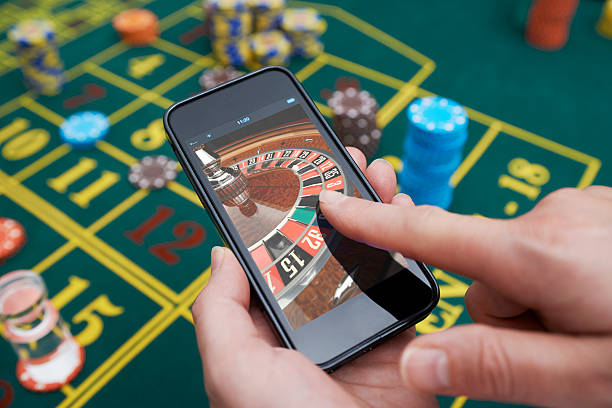
The allure of gambling can be attributed to various psychological factors, including the thrill of uncertainty and the potential for significant rewards. This excitement triggers the brain’s reward system, releasing dopamine, a neurotransmitter that reinforces behaviors associated with pleasure. As individuals engage in gambling, they often feel an emotional high, leading them to chase this feeling repeatedly, even when the odds are against them. In fact, platforms like Elitespin showcase this dynamic with numerous games designed to captivate players. The anticipation of winning can create a powerful cognitive bias, making players more likely to believe they can control or influence outcomes.

Moreover, the psychology of gambling often involves cognitive distortions such as the illusion of control, where players overestimate their ability to influence chance events. This mindset can lead to poor decision-making and a tendency to ignore or downplay losses. Gamblers may convince themselves that they are ‘due’ for a win after a series of losses, perpetuating a cycle of risky behavior. As these cognitive biases become more entrenched, they can significantly impact an individual’s overall decision-making process.
Another significant aspect is the impact of social factors on gambling behavior. Individuals often gamble in social settings, where group dynamics can amplify their emotional responses. Peer pressure and social reinforcement can encourage risky betting behaviors, making it challenging for individuals to disengage from gambling, even if they recognize its potential negative consequences. This interplay between personal psychology and social influences illustrates how gambling can shape not only individual behaviors but also collective decision-making in social contexts.
The Role of Cognitive Dissonance in Gambling
Cognitive dissonance plays a crucial role in how gamblers reconcile their choices with their outcomes. When individuals make a risky bet and subsequently lose, they may experience discomfort due to the inconsistency between their expectations and reality. To alleviate this discomfort, many gamblers employ various rationalization strategies, such as blaming external factors or promising to change their behavior in the future. This psychological defense mechanism often leads to continued gambling, even when it proves detrimental.
This self-justification can manifest in a variety of ways, including downplaying the significance of losses or highlighting past wins. Gamblers may focus on their successes while disregarding the overall negative impact of their losses. This selective memory reinforces their belief in their ability to win, creating a dangerous loop of decision-making driven by emotion rather than logic. Such cognitive dissonance not only complicates their relationship with gambling but also affects other areas of their lives, as they become more entrenched in these beliefs.
Furthermore, cognitive dissonance can lead to an escalation of commitment, where gamblers feel compelled to continue betting in hopes of recovering their losses. This phenomenon is particularly pronounced in high-stakes environments, where the pressure to win becomes overwhelming. As players invest more money to overcome their previous losses, they often find themselves spiraling further into harmful habits, demonstrating how psychological mechanisms can dictate behavior in the world of gambling.
The Influence of Emotional States on Gambling Behavior
Emotions significantly influence gambling behavior, often driving individuals to make impulsive decisions. Stress, anxiety, and depression can lead people to seek escapism through gambling, viewing it as a means to alleviate negative emotions. Unfortunately, this approach can result in a vicious cycle, where gambling provides temporary relief but ultimately exacerbates feelings of guilt and anxiety when losses occur. Emotional states, therefore, become a crucial component in understanding why individuals engage in gambling behaviors.
The concept of “loss chasing” exemplifies how emotions can distort decision-making in gambling. When players experience a loss, they might feel an immediate urge to recoup their losses, leading to riskier bets and further financial harm. This behavior often stems from a mix of desperation and emotional volatility, as players cling to the hope of a big win that will resolve their current state of distress. Emotional regulation becomes increasingly important, yet individuals often struggle to manage their feelings in the context of gambling.
Moreover, the design of gambling environments often amplifies emotional responses, utilizing features like bright lights and engaging sounds to create an immersive experience. These stimuli can heighten arousal and trigger impulsive behavior, making it difficult for gamblers to exercise restraint. The intertwining of emotional influences and environmental factors highlights the complex nature of decision-making in gambling, emphasizing the need for a deeper understanding of how these dynamics operate in real-world scenarios.
The Development of Gambling Addiction
Gambling addiction is a multifaceted issue that arises from a combination of psychological, biological, and environmental factors. The progression from casual gambling to compulsive behavior often begins with the reinforcement of winning experiences, as they trigger the brain’s reward pathways. Over time, individuals may develop a dependency on this adrenaline rush, leading to a loss of control over their gambling habits. As their tolerance increases, they require larger bets and riskier games to achieve the same emotional high.
Additionally, gambling addiction can have far-reaching effects on an individual’s life, impacting relationships, finances, and mental health. Many individuals affected by gambling disorder experience feelings of shame and isolation, which can lead to withdrawal from social connections and an inability to seek help. The stigma surrounding addiction often prevents individuals from acknowledging their struggles, making recovery more challenging. Education and awareness are crucial in creating supportive environments where individuals feel safe to share their experiences.
Interventions such as cognitive-behavioral therapy have proven effective in addressing gambling addiction by helping individuals identify and modify harmful thought patterns. Support groups and counseling also play a vital role in recovery, offering community and understanding for those grappling with similar issues. By recognizing the psychological underpinnings of gambling addiction, stakeholders can foster better resources and support systems for affected individuals, facilitating healthier decision-making and behaviors moving forward.
Join the Excitement at EliteSpin Casino
At EliteSpin Casino, the excitement of online gaming combines with an understanding of the psychological nuances of gambling. By offering a vast selection of games—from slots to live dealer experiences—we create an immersive environment that prioritizes both entertainment and responsible gaming. Our platform ensures safety and security, allowing players to enjoy their experience with peace of mind, knowing that their well-being is our top priority.
New UK customers can take advantage of an enticing Welcome Pack worth up to £5,000 and 500 free spins, designed to enhance your gaming adventure. We also understand the importance of responsible gambling practices, ensuring our players have access to tools and resources that promote healthy decision-making. As a crypto-friendly platform, we strive to offer diverse payment options that cater to our players’ preferences.
Join us today and embark on an exciting journey filled with thrilling games and unique bonuses. Whether you’re an experienced player or new to the world of online gaming, EliteSpin Casino is committed to providing a rewarding and enjoyable experience while considering the psychological factors that shape your gaming decisions. We look forward to welcoming you into our gaming community!